

About HPM
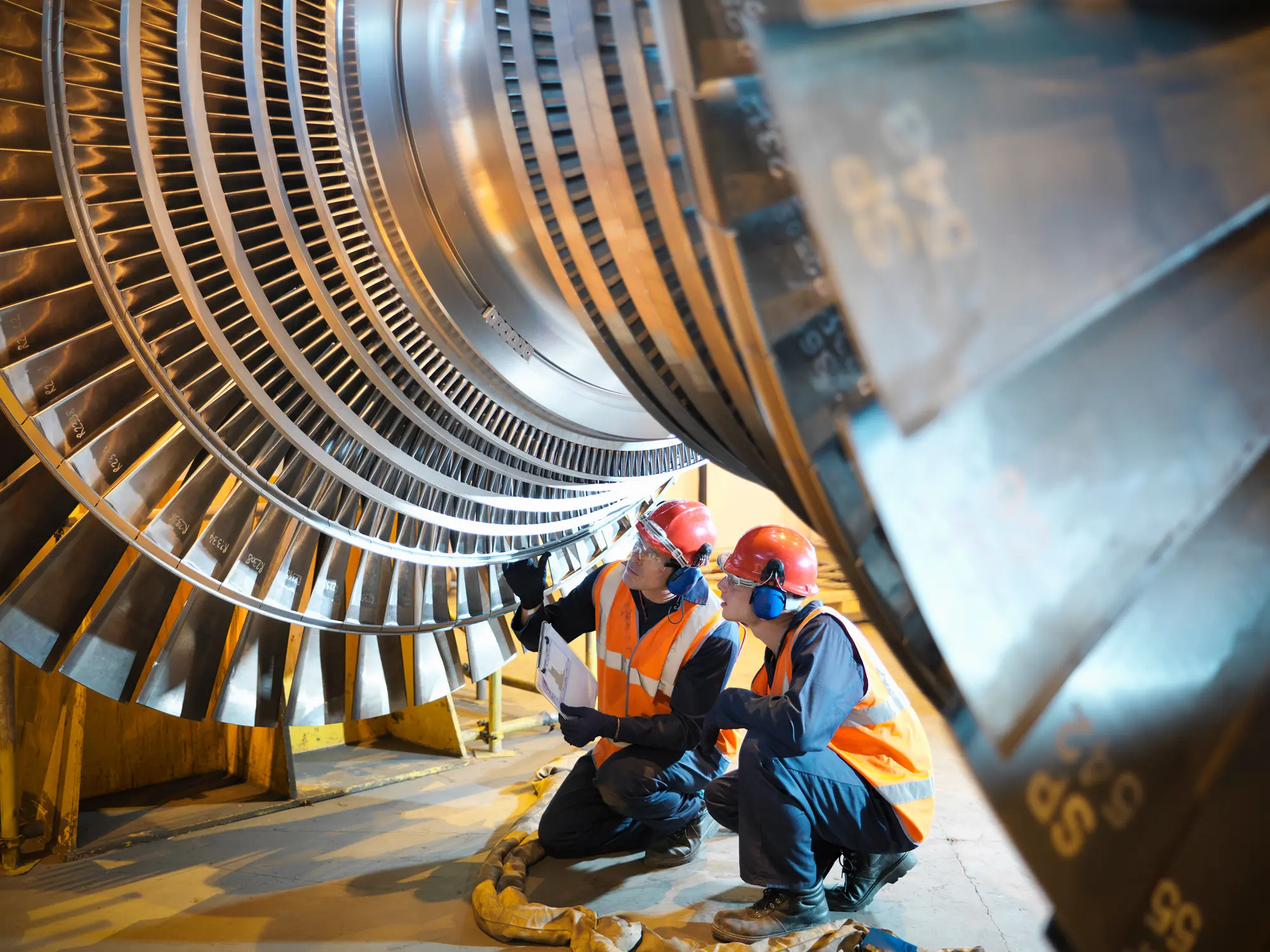
Measurement of stress-strain parameters of machine parts is the most important task in ensuring their strength and reliability. To measure the deformation of parts, strain gages — resistors whose resistance changes depending on its deformation (stretching or compression) — are widely used. Strain gages are used both for measuring the deformation of various parts for research and testing purposes and as part of various sensors: force or weight, pressure, displacement, torque.
Due to the combination of stretching/compression and reduction/increase in conductor cross- section, for most metals and alloys the gage factor is close to two. However, some metals and alloys have abnormally high (platinum) or abnormally low (manganin) strain sensitivity coefficient. Of course, materials with the highest possible strain sensitivity are preferred for strain gages.
For the convenience of measuring strain gage parameters from the point of view of construction of measuring equipment, it is desirable that the strain gage has a sufficiently high resistance, tens to hundreds of ohms, for this purpose the length of the conductor should be sufficiently large. At the same time, in order to measure the strain in small localized areas of the parts, in the areas of highest stress, it is necessary that the size of the strain gage should be small. Therefore, the classical modern strain gage is a conductor with a "snake" (grid) configuration, made of thin foil or wire of small (10-30 microns) diameter. In addition, alloys with a high resistivity are used to manufacture strain gages.
Reasons why engineers prefer to work with HPM

Deep understanding of customer requests and problems